

Home improvements can make your property more comfortable, attractive, and functional, but not every renovation is a smart financial investment. A major remodeling project may look impressive while adding little value when it is time to sell. The best improvements typically solve practical problems, enhance everyday living, or make a home more appealing to future buyers. Before spending money on a renovation, it is worth considering both the immediate benefits and the potential long-term return.

Upgrade the Kitchen With Care
Kitchen renovations are often associated with higher property value, but a complete luxury remodel is not always necessary. In many cases, updating worn cabinets, replacing outdated fixtures, improving lighting, or upgrading appliances can create a noticeable difference without the cost of a full redesign. A practical, attractive kitchen that suits the property’s style and price range is generally a better investment than an overly customized space that may not appeal to future buyers.
Improve Energy Efficiency
Energy-efficient improvements can offer benefits whether you plan to sell soon or remain in your home for years. Better insulation, efficient windows, improved heating and cooling systems, and energy-saving appliances can reduce utility costs while making indoor spaces more comfortable. The financial return will depend on the property and local energy costs, but improvements that reduce ongoing expenses can provide value beyond resale considerations.
Do Not Ignore Curb Appeal
First impressions matter, and exterior improvements can be relatively affordable compared with major interior renovations. Fresh exterior paint, attractive landscaping, a well-maintained lawn, improved outdoor lighting, and a welcoming entrance can make a property look more appealing. These projects may not have the same dramatic price tag as a new kitchen, but they can improve the way buyers perceive the entire home before they even walk through the front door.

Focus on Bathrooms
Bathrooms are another area where thoughtful upgrades can make a property feel newer and better maintained. Replacing damaged fixtures, improving ventilation, updating lighting, refreshing surfaces, or modernizing an outdated bathroom can improve both appearance and functionality. However, expensive luxury features may not provide a proportionate return. A clean, durable, well-designed bathroom is often more valuable than one filled with costly features that appeal to a narrow group of buyers.
Prioritize Maintenance and Structural Repairs
Not every worthwhile improvement is glamorous. Fixing a leaking roof, repairing plumbing problems, addressing electrical issues, replacing damaged flooring, or dealing with moisture problems may not create an exciting before-and-after photograph. Still, these projects can protect the property’s condition and prevent more expensive damage. Buyers and inspectors are likely to notice major maintenance issues, making essential repairs a smart priority before cosmetic upgrades.
Add Functional Living Space
Increasing usable living space can be valuable when it is done thoughtfully and legally. Finishing an appropriate basement, converting an underused room into an office, or improving an existing outdoor living area may give a home greater versatility. The potential return depends heavily on the local market, construction costs, permits, and the quality of the work. Adding space to increase square footage is not always worthwhile if the result feels disconnected from the rest of the property.

Avoid Over-Personalizing Major Renovations
One of the easiest ways to overspend is to design a home entirely around personal preferences. Highly specialized rooms, unusual layouts, premium finishes, and dramatic design choices can be enjoyable for the current owner but less attractive to future buyers. Neutral, durable materials and flexible spaces tend to have broader appeal. If resale value is important, consider whether someone with completely different tastes could easily imagine living in the space.
The most worthwhile home improvements are usually those that combine practicality, quality, and broad appeal. Energy efficiency, essential repairs, sensible kitchen and bathroom updates, improved curb appeal, and functional spaces can all contribute to a home’s usefulness and marketability. Before starting any project, compare the expected cost with the benefits you will receive and consider the standards of properties in your local market. A successful renovation is not necessarily the most expensive one—it is the one that adds meaningful value without spending more than the property can reasonably support.

 One of the keys to staying productive when working from home is creating a workspace that helps you focus. While working from your bed or couch may be tempting, these spaces can often lead to distractions and restlessness. Instead, set up a designated area in your home for work. This space should be comfortable and free from clutter. Choose a quiet corner with good lighting and invest in a comfortable chair and desk that fit your needs. Make sure everything you need is within reach – this includes pens, paper, chargers, headphones, and any other tools or equipment necessary for your job. If you have the money, consider investing in an adjustable desk.
 Making a to-do list is an effective way to stay productive while working from home. It can help you prioritize tasks and track what needs to be done throughout the day. Start by writing down all the tasks that need to be completed for the day or week. Be specific and include deadlines if necessary. Once you have your list, prioritize tasks based on their importance and urgency. Breaking down larger projects into smaller, more manageable tasks can make them easier to accomplish. This will also give you a sense of accomplishment as you check off each item from your list.
 The biggest challenge of working from home is dealing with distractions. With no boss or colleagues around to keep you accountable, it’s easy to get sidetracked and lose focus on your work. Setting clear boundaries between your work and personal life is important. Tell family members when you’re working and ask them not to disturb you during certain hours. Aside from that, you should also turn off notifications. Email, social media, and other notifications can be major distractions. Turn them off or set specific times during the day to check them.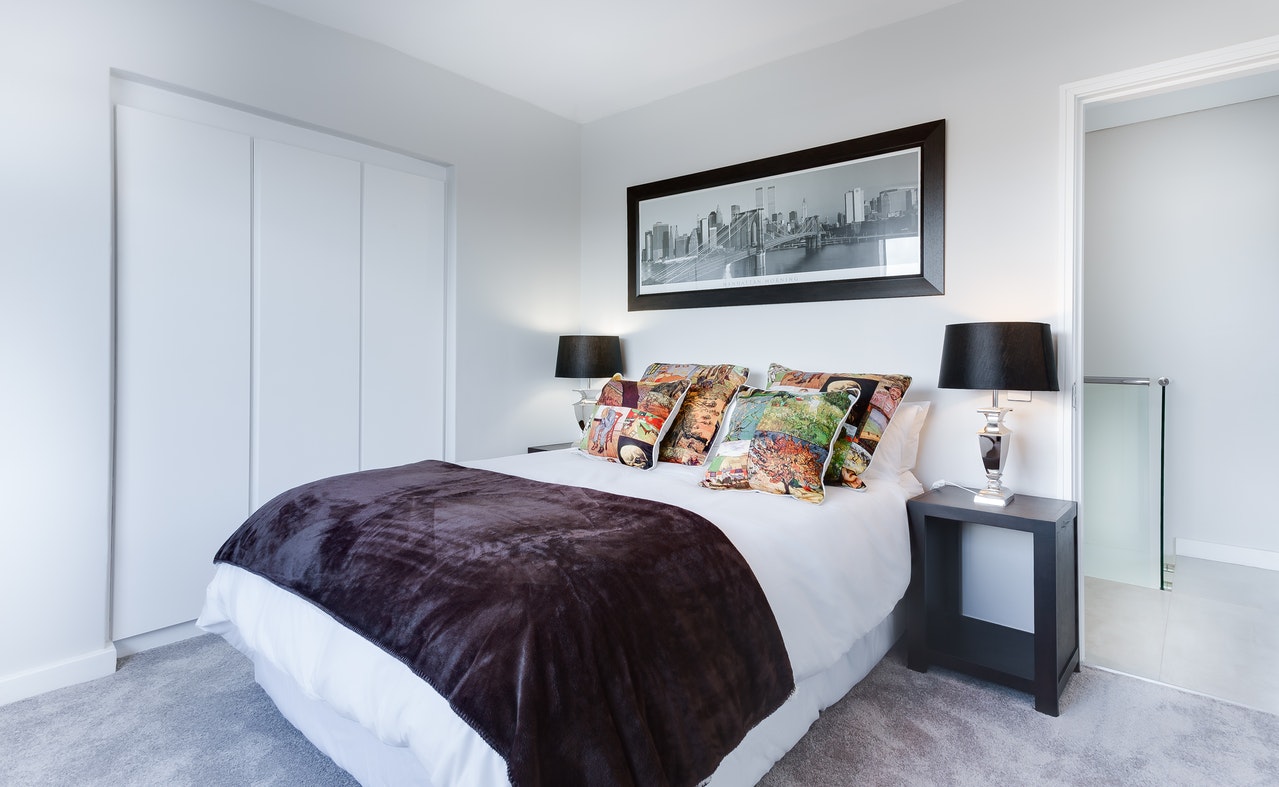
 If you want to bring in the beachy feel without going overboard, consider adding accents of blue and white. You can do this by hanging some blue and white patterned curtains or adding a blue and white area rug. You could also add some nautical-themed decor, such as seashells or starfish. Another easy way to add summer to your bedroom is to swap your bedding for something lighter and brighter. Opt for white or light-colored sheets, and add a colorful duvet cover or throw blanket. You can also add some greenery to your space by placing potted plants around the room.
 Another great way to add a touch of summer to your bedroom is by incorporating rattan and bamboo into your decor. These natural materials help to create a relaxed and vacation-like atmosphere. You can find rattan and bamboo furniture, such as chairs, end tables, and headboards. You can also find these materials in home decor items, such as vases, baskets, and wall art. Don’t you think these tricks above are inexpensive and easy to do? Indeed, they are. However, as a side note, if you want to add more luxury to your space, you could consider adding a piece of statement furniture, such as a rattan bed frame or a bamboo dresser.
 Did you know that custom butcher blocks for bars are becoming increasingly more popular? That’s right, more and more bars are opting to add their name or logo to their butcher block. This is a great way to make your bar stand out from the rest and show your customers that you’re serious about quality.
 Bars around the world serve food, too, aside from the obvious liquor. For this reason, it’s crucial to have a place where you can prep the food. That’s why every bar needs a butcher block. It provides a space for preparing meat, chopping vegetables, and even mixing cocktails. In addition, it also offers extra storage space for all of your bar’s supplies. So, if you’re looking for a way to improve your bar’s functionality and make it more efficient, a butcher block is the way to go. Thanks for reading, and we hope this has been helpful.