

Bathrooms are the unsung heroes of a home, functional, private, and often overlooked in favor of flashier spaces. Yet, they deserve as much attention as any living room or kitchen. After all, this is where you begin and end your day. With a few clever upgrades, your bathroom can transform from basic to blissful without tearing down a single wall. It’s going to be your quiet luxury. It’s the kind that whispers instead of shouts. These upgrades aren’t about marble floors or chandeliers over bathtubs (though no one’s stopping you). They’re about subtle details that make every morning and evening feel a little more polished.
The Power of Perfect Lighting
 Let’s be honest: harsh lighting has ruined many a mirror moment. The right illumination changes everything. Soft, diffused lighting mimics daylight and flatters skin tones while creating a spa-like calm. LED mirrors with dimmable settings or backlighting add both drama and practicality. But lighting isn’t just vanity deep. Layering your lights, overhead, task, and accent, adds warmth and functionality. A wall sconce near the sink or soft lighting under the vanity can make even a small bathroom feel inviting and thoughtfully designed. It’s a small change that casts a big glow.
Smart Fixtures for Smarter Living
Technology isn’t just for living rooms and offices anymore. Smart fixtures are quietly revolutionizing bathrooms, and it’s glorious. Heated towel racks, touchless faucets, and self-cleaning toilets bring convenience you’ll quickly wonder how you lived without. Take the bidet seat, for example, a humble hero of comfort and hygiene. Pair it with a motion-sensing flush or a digital shower that remembers your preferred water temperature, and suddenly your bathroom feels more like a retreat than a routine. Function meets flair, effortlessly.
Storage That Doesn’t Steal Space
Clutter is the enemy of relaxation. Clever storage keeps the peace. Think floating vanities, recessed shelves, or mirrored cabinets that double as organizers. Hidden compartments can store everything from makeup to medicine without crowding countertops. If space is tight, go vertical. Install slim shelving above the toilet or add wall hooks for towels and robes. It’s about creating flow and calm, a bathroom that looks as good as it feels. Because nothing ruins a serene morning like knocking over a bottle of lotion.
Textures, Colors, and Tiny Luxuries

Small details can shift a bathroom’s entire mood. Textured tiles, matte black fixtures, or brass accents can add layers of personality. Even something as simple as swapping out your shower curtain for a glass panel can open up the space instantly. Don’t underestimate the power of textiles either. Plush towels, soft bath mats, and even a statement robe hanging on display can add comfort and style. Add a plant or two if light allows. They bring a breath of life to a sterile space. Think of these choices as your bathroom’s jewelry: subtle but transformative.
Scent and Sound: The Final Touches
Bathrooms appeal to more than just the eyes. Aromatic candles, diffusers, or eucalyptus hanging from the showerhead can elevate the atmosphere instantly. Scents influence mood: lavender soothes, citrus energizes, and vanilla wraps you in warmth. If you’re the kind who hums in the shower, consider a waterproof Bluetooth speaker. Soft music or ambient sounds can make your evening bath feel like a retreat. These sensory details tie everything together, making your bathroom a place you’ll actually want to linger in.
In the end, bathroom upgrades don’t have to scream opulence. Sometimes, luxury lies in quiet comfort, a space that greets you gently in the morning and bids you peace at night. You don’t need a full remodel to make that happen. Just a few thoughtful tweaks, and your bathroom becomes a personal haven you’ll never take for granted again.


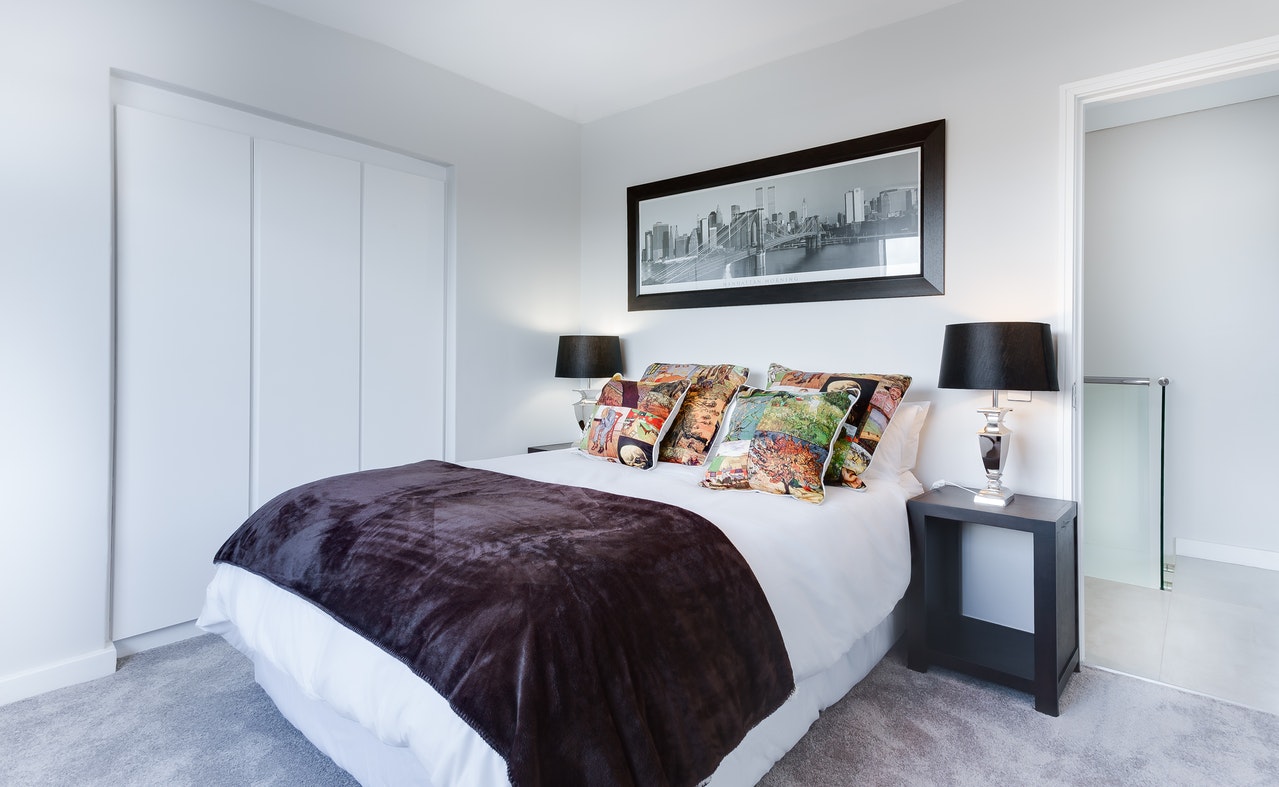
 If you want to bring in the beachy feel without going overboard, consider adding accents of blue and white. You can do this by hanging some blue and white patterned curtains or adding a blue and white area rug. You could also add some nautical-themed decor, such as seashells or starfish. Another easy way to add summer to your bedroom is to swap your bedding for something lighter and brighter. Opt for white or light-colored sheets, and add a colorful duvet cover or throw blanket. You can also add some greenery to your space by placing potted plants around the room.
 Another great way to add a touch of summer to your bedroom is by incorporating rattan and bamboo into your decor. These natural materials help to create a relaxed and vacation-like atmosphere. You can find rattan and bamboo furniture, such as chairs, end tables, and headboards. You can also find these materials in home decor items, such as vases, baskets, and wall art. Don’t you think these tricks above are inexpensive and easy to do? Indeed, they are. However, as a side note, if you want to add more luxury to your space, you could consider adding a piece of statement furniture, such as a rattan bed frame or a bamboo dresser.
 The credentials that are needed to carry out electrical works have to be availed by the candidate electrician. Qualified electricians must have documents detailing their qualifications, including valid state licenses and insurance certificates. It is mandatory, therefore, to gain prior information on the credentials that an electrician ought to possess.
 The severity with which the risk of fire comes as a result of electrical faults is some of the most commonly seen issues of debate today. Knowing the best electrician to hire needs one to be on the look-out for any testimonials from past clients to the electrician. These would be necessary for evaluating the quality and safety levels of his or her services to the previous clients. Home electrical work requires certified electricians and those with the sound background in providing similar services to their clients. Consequently, factors as licensing and seeking for professional advice among others are important tips towards hiring the right electrician. By getting the right person to do the job, risk levels are minimized.