

Working from home can be a dream for many of us – no commuting, more flexibility, and the comfort of your own space. However, with all these benefits comes the challenge of staying productive. With so many distractions around us, it’s easy to fall into the trap of procrastination and lose focus. But fear not. In this blog post, we’ll share some tips on how to stay productive when working from home. Whether you’re a seasoned remote worker or new to this lifestyle, these tips will help you create an environment that fosters productivity and helps you achieve your goals. So, let’s dive in.
Create a Workspace
 One of the keys to staying productive when working from home is creating a workspace that helps you focus. While working from your bed or couch may be tempting, these spaces can often lead to distractions and restlessness. Instead, set up a designated area in your home for work. This space should be comfortable and free from clutter. Choose a quiet corner with good lighting and invest in a comfortable chair and desk that fit your needs. Make sure everything you need is within reach – this includes pens, paper, chargers, headphones, and any other tools or equipment necessary for your job. If you have the money, consider investing in an adjustable desk.
Make a To-Do List
 Making a to-do list is an effective way to stay productive while working from home. It can help you prioritize tasks and track what needs to be done throughout the day. Start by writing down all the tasks that need to be completed for the day or week. Be specific and include deadlines if necessary. Once you have your list, prioritize tasks based on their importance and urgency. Breaking down larger projects into smaller, more manageable tasks can make them easier to accomplish. This will also give you a sense of accomplishment as you check off each item from your list.
Eliminate Distractions
 The biggest challenge of working from home is dealing with distractions. With no boss or colleagues around to keep you accountable, it’s easy to get sidetracked and lose focus on your work. Setting clear boundaries between your work and personal life is important. Tell family members when you’re working and ask them not to disturb you during certain hours. Aside from that, you should also turn off notifications. Email, social media, and other notifications can be major distractions. Turn them off or set specific times during the day to check them.
Working from home can be both a blessing and a curse. While it offers flexibility, comfort, and freedom to work at your own pace, it also poses challenges in terms of productivity. However, by creating a workspace that is conducive to productivity, making a daily to-do list, and eliminating distractions as much as possible, you can remain focused and motivated throughout the day. Remember that staying productive while working from home requires discipline and commitment. It may take some time to get used to this new routine, but with practice, you will become more efficient. So go ahead – create your workspace today, make that list of tasks for tomorrow, and start taking control of your workday.
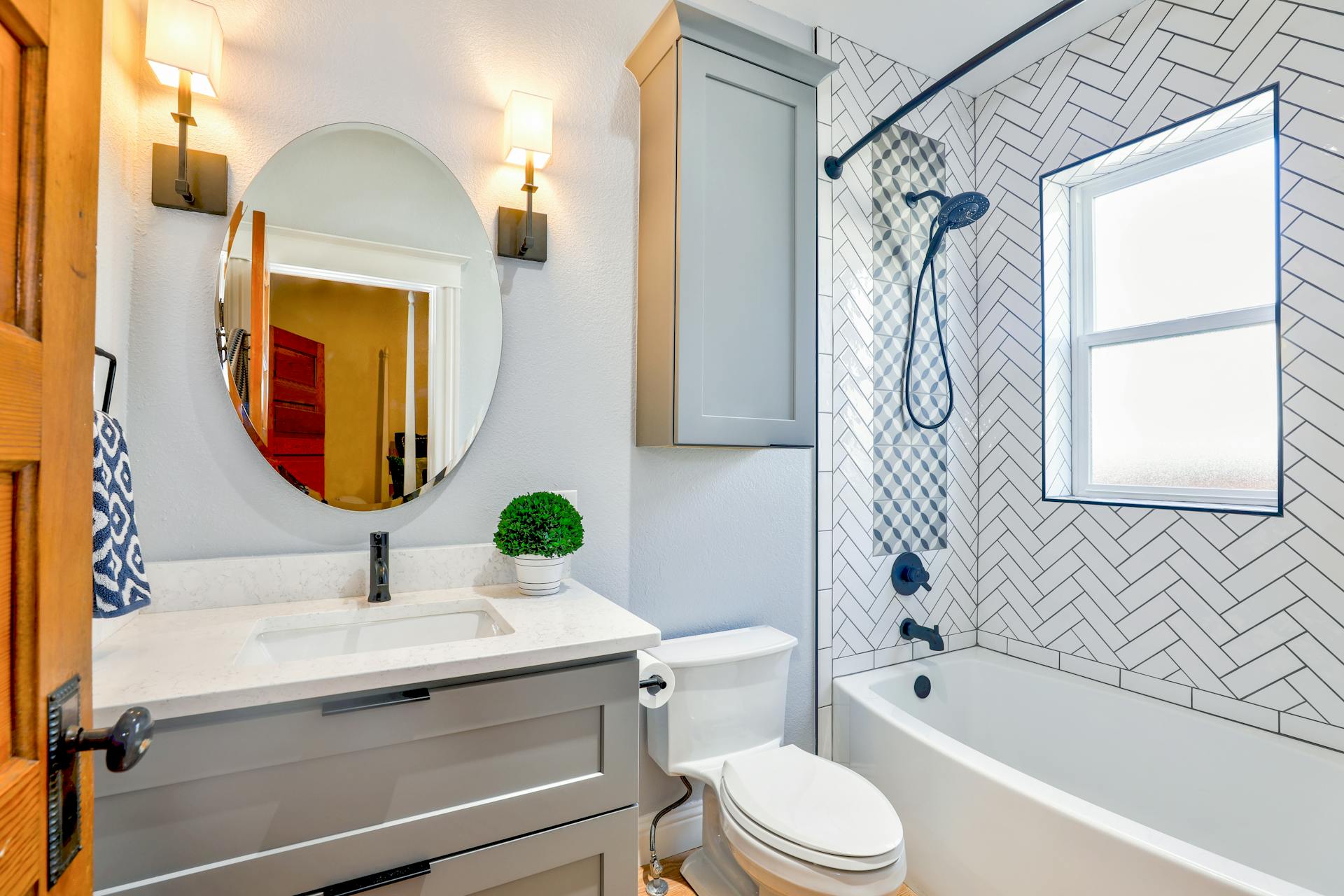
 Let’s be honest: harsh lighting has ruined many a mirror moment. The right illumination changes everything. Soft, diffused lighting mimics daylight and flatters skin tones while creating a spa-like calm. LED mirrors with dimmable settings or backlighting add both drama and practicality. But lighting isn’t just vanity deep. Layering your lights, overhead, task, and accent, adds warmth and functionality. A wall sconce near the sink or soft lighting under the vanity can make even a small bathroom feel inviting and thoughtfully designed. It’s a small change that casts a big glow.

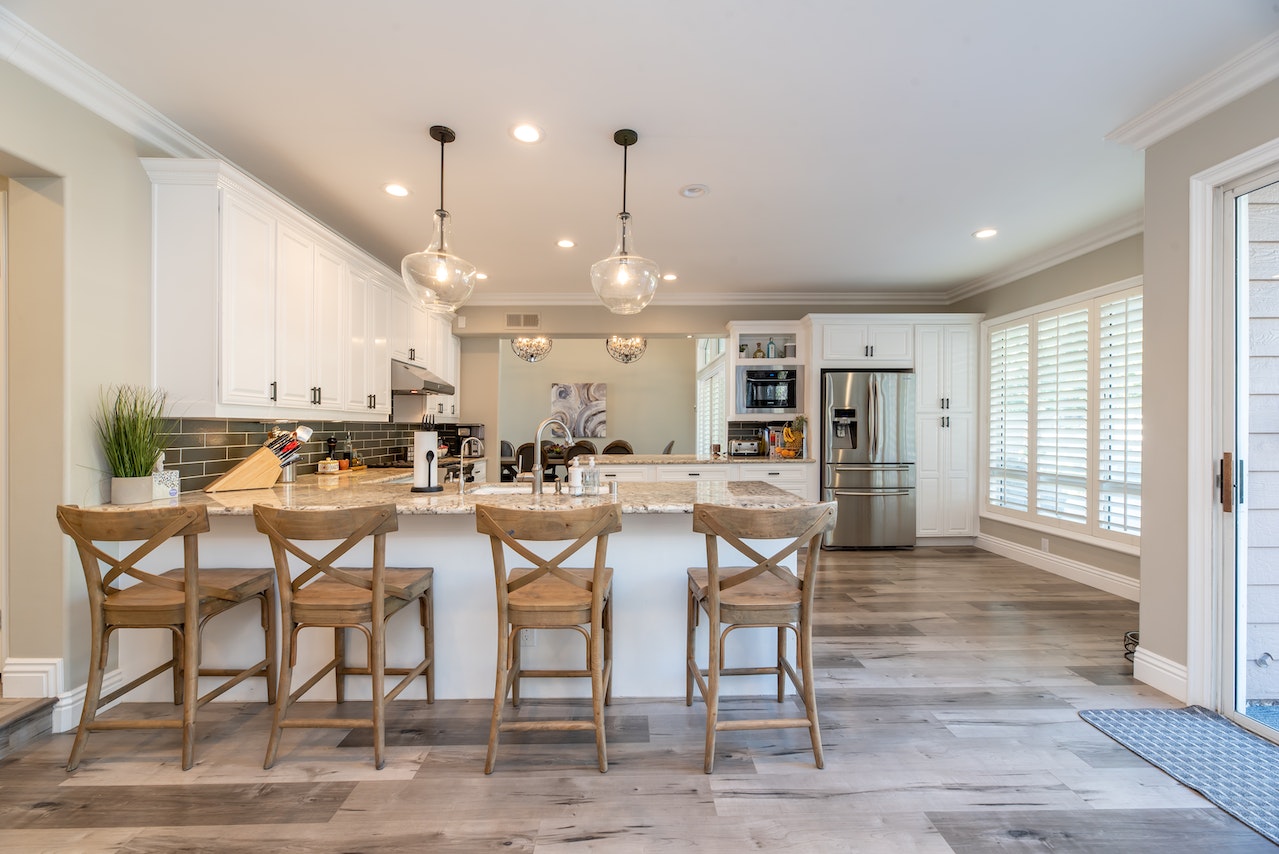
 One of the worst things that we often overlook is blocked vents. Vents are typically located on walls, ceilings, and even under furniture. However, if these vents are blocked by furniture or any other household items, it can restrict the airflow around your home. You need to ensure that your vents have clear air passage. Simply try to rearrange your furniture away from the vents. Additionally, you should also check for any obstructions or debris from the vents, as this could lead to further airflow issues.