

Every homeowner knows that plumbing issues can strike at the most inconvenient times. From minor annoyances to major disasters, these problems can disrupt daily life and lead to costly repairs if not addressed promptly. Understanding common plumbing issues will empower you to tackle them head-on or know when it’s time to call in a professional. Let’s dive into some of the frequent culprits lurking in your home’s plumbing system.
Leaky Faucets
Leaky faucets are one of the most common plumbing headaches. That constant drip can be more than just annoying—it’s also a waste of water and money. Often, the culprit is a worn-out washer or O-ring. Over time, these small parts degrade and lose their ability to create a watertight seal. A simple replacement can often do the trick. If you’re feeling handy, fixing it yourself is an option. Turn off the water supply first, then disassemble the faucet carefully. If DIY isn’t your style, don’t hesitate to call in a plumber.
Clogged Drains

Clogged drains can be a homeowner’s worst nightmare. They often start small, with slow drainage that goes unnoticed until it worsens. Before you know it, you’re faced with standing water in your sink or tub. Hair, soap scum, and food particles are the usual culprits. Over time, they build up and create blockages that are tough to clear without help. Regular maintenance is key to preventing these pesky clogs from forming. A simple solution might involve using a plunger or a drain snake for minor issues.
Running Toilets
A running toilet can be more than just an annoyance. It often signals a bigger issue lurking beneath the surface. When your toilet continuously cycles water, it wastes both resources and money. Common culprits include flapper problems or faulty fill valves. The flapper may not seal properly, causing constant water flow into the bowl. Meanwhile, a malfunctioning fill valve can lead to excessive water intake. You might notice fluctuations in your water bill as this silent leak drains your wallet over time.
Low Water Pressure

Low water pressure can be an annoying issue for any homeowner. Imagine hopping into the shower only to find a weak stream of water trickling down. Frustrating, right? Several factors could lead to this common problem. Clogged pipes are often the culprit, as mineral buildup and debris restrict flow over time. Another reason might stem from municipal supply issues or even a malfunctioning pressure regulator in your home. If you’ve recently had plumbing work done, it’s possible that something was inadvertently disrupted. Sometimes, low pressure affects specific faucets or fixtures more than others.
Homeownership comes with its fair share of responsibilities and challenges. Plumbing issues are among the most common problems many homeowners face. From the annoying drip of a leaky faucet to the frustration of low water pressure, these issues can disrupt daily life. Being informed about common plumbing issues empowers you as a homeowner, ensuring that you’re prepared for any situation that may arise in your household’s plumbing system. Whether tackling minor repairs yourself or knowing when to seek professional help, staying ahead is key to maintaining a hassle-free home environment.

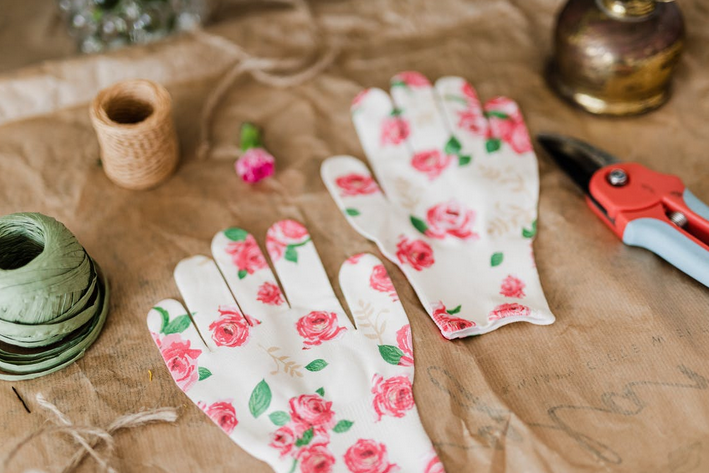
 Fertilizer is important for keeping your garden healthy. You need to apply the correct fertilizer based on the type of plants in your garden. If you are unsure, ask a gardening expert or consult the instructions on the fertilizer packaging.
 You have to prune the dead or damaged limbs from your trees. This will help them grow more evenly and prevent them from becoming top-heavy. You should also trim any branches that are rubbing against each other. It would help if you thinned out the canopy of your trees. This will allow more sunlight to reach the inner branches and promote new growth. Maintaining your garden correctly will ensure that it is healthy and looks great.
 One of the keys to staying productive when working from home is creating a workspace that helps you focus. While working from your bed or couch may be tempting, these spaces can often lead to distractions and restlessness. Instead, set up a designated area in your home for work. This space should be comfortable and free from clutter. Choose a quiet corner with good lighting and invest in a comfortable chair and desk that fit your needs. Make sure everything you need is within reach – this includes pens, paper, chargers, headphones, and any other tools or equipment necessary for your job. If you have the money, consider investing in an adjustable desk.
 Making a to-do list is an effective way to stay productive while working from home. It can help you prioritize tasks and track what needs to be done throughout the day. Start by writing down all the tasks that need to be completed for the day or week. Be specific and include deadlines if necessary. Once you have your list, prioritize tasks based on their importance and urgency. Breaking down larger projects into smaller, more manageable tasks can make them easier to accomplish. This will also give you a sense of accomplishment as you check off each item from your list.
 The biggest challenge of working from home is dealing with distractions. With no boss or colleagues around to keep you accountable, it’s easy to get sidetracked and lose focus on your work. Setting clear boundaries between your work and personal life is important. Tell family members when you’re working and ask them not to disturb you during certain hours. Aside from that, you should also turn off notifications. Email, social media, and other notifications can be major distractions. Turn them off or set specific times during the day to check them.